When most people hear "pattern hair loss," they picture a man with a receding hairline. But androgenic alopecia — the medical term for genetic pattern hair loss — affects an estimated 30 million women in the United States alone. By the time women reach their 50s, nearly half will experience some degree of noticeable thinning. Despite being incredibly common, female hair loss remains underdiagnosed and undertreated, in large part because it presents differently than it does in men.
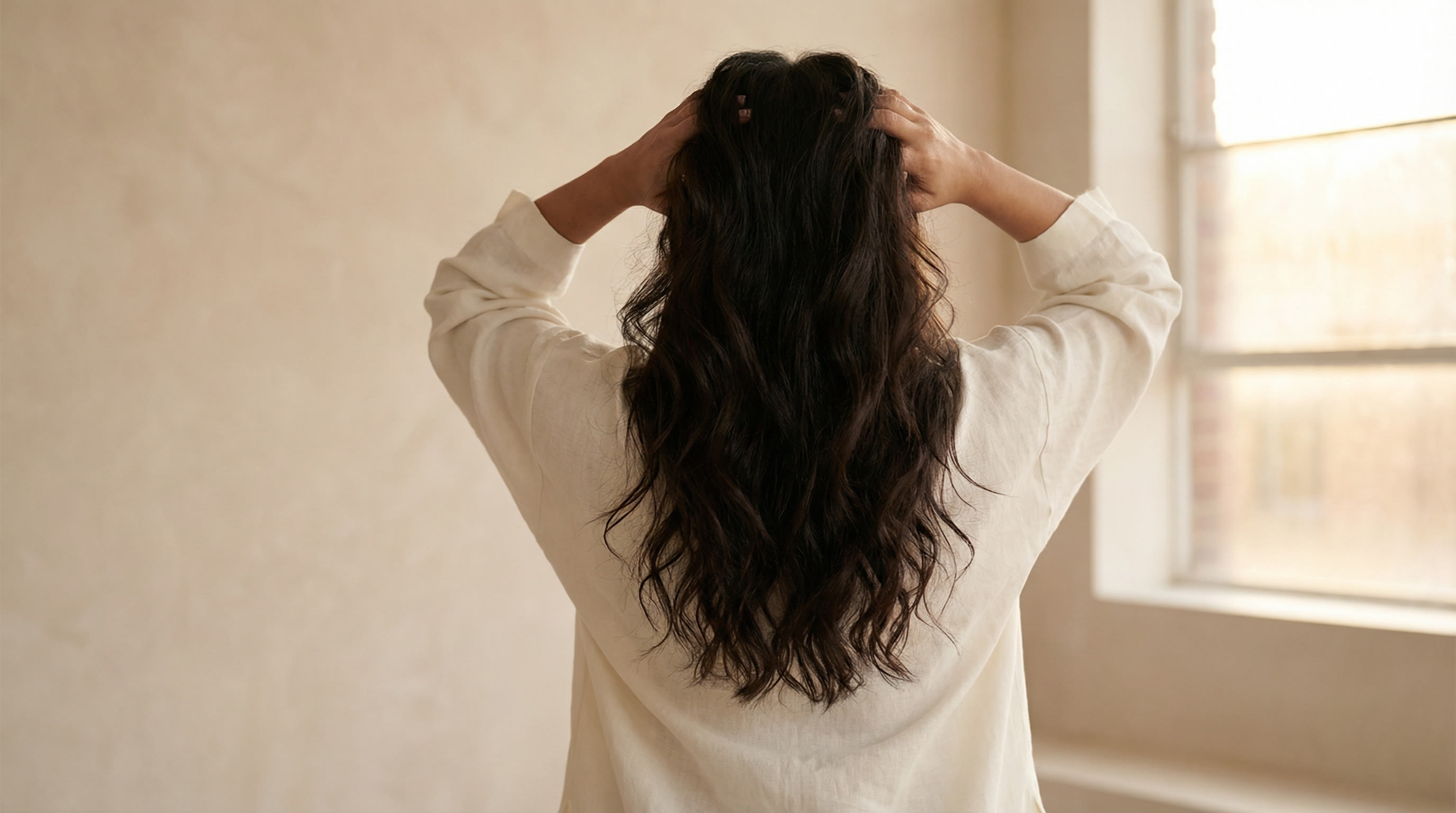
Unlike male pattern baldness, female hair loss tends to be diffuse and gradual — making it harder to recognize in its early stages. Many women don't realize they're experiencing androgenic alopecia until significant thinning has already occurred. Early diagnosis and intervention are key to preserving hair density and achieving the best possible outcomes.
How Female Pattern Hair Loss Differs
In men, androgenic alopecia typically follows a predictable pattern: the hairline recedes at the temples and the crown thins, eventually leaving a horseshoe-shaped ring of hair. In women, the pattern is usually quite different. The hairline is generally preserved, but the hair thins diffusely across the top of the scalp. Women often notice their part widening, their ponytail getting thinner, or more scalp showing through when their hair is pulled back.
The underlying mechanism is similar in both sexes — hair follicles become sensitized to dihydrotestosterone (DHT), a derivative of testosterone. Over time, affected follicles undergo miniaturization, producing progressively finer, shorter, and less pigmented hairs until they eventually stop producing visible hair altogether. In women, however, the hormonal picture is more complex, often involving fluctuations related to menopause, polycystic ovary syndrome (PCOS), thyroid dysfunction, or postpartum changes.
Recognizing the Early Signs
Early detection is critical because hair restoration treatments are far more effective at preserving existing hair than regrowing what's already been lost. Signs to watch for include:
- A widening part — the most common early sign in women
- Increased hair shedding — finding more hair on your pillow, in the shower, or in your brush
- Visible scalp — especially in overhead lighting or photographs taken from above
- Decreased hair density — your ponytail feels noticeably thinner than it used to
- Changes in hair texture — previously thick strands becoming fine and wispy
Treatment Options at Healing Aesthetics
At Healing Aesthetics, Dr. Saad takes a comprehensive, medically-driven approach to hair loss. Because the causes can be multifactorial, treatment begins with a thorough evaluation that may include blood work to assess hormone levels, thyroid function, iron stores, and other nutritional markers.
PRF (Platelet-Rich Fibrin) Therapy
PRF has emerged as one of the most promising non-surgical treatments for androgenic alopecia. The process involves drawing a small amount of the patient's blood, concentrating the platelets and growth factors through centrifugation, and injecting the resulting plasma directly into the scalp. These growth factors stimulate dormant follicles, increase blood supply to the hair bulb, and extend the growth phase of the hair cycle. Most patients undergo an initial series of three to four treatments spaced about a month apart, followed by maintenance sessions every three to six months.
Medical Management
Depending on the underlying cause, Dr. Saad may recommend topical or oral medications as part of a comprehensive treatment plan. Minoxidil (available in topical and oral formulations) remains a first-line therapy that works by increasing blood flow to follicles and extending the growth phase. For women with hormonal components, spironolactone — an anti-androgen medication — can help reduce DHT's effect on hair follicles. Nutritional supplementation may also play a role, particularly in cases where iron deficiency, vitamin D insufficiency, or other nutritional gaps are contributing to thinning.
Lifestyle and Supportive Care
Beyond medical treatments, Dr. Saad counsels patients on factors that can influence hair health: managing stress (which can trigger telogen effluvium, a separate form of shedding), optimizing nutrition, avoiding hairstyles that create traction on the follicles, and selecting gentle hair care products that support scalp health.
When to See a Specialist
Consider scheduling a consultation if you experience any of the following:
- Your part has visibly widened over the past 6–12 months
- You're finding significantly more hair in the shower drain or on your brush
- Your ponytail feels noticeably thinner than it did a year ago
- You can see scalp through your hair in overhead lighting or photos
- You have a family history of hair thinning and are noticing early changes
Why Early Intervention Matters
The single most important thing to understand about androgenic alopecia is that it's progressive. Without treatment, follicle miniaturization continues over time. The earlier treatment begins, the more hair can be preserved and the better the long-term outcome. If you've noticed changes in your hair density, don't wait — and don't accept "it's just aging" as an answer. Effective treatments exist, and a physician who understands the condition can make a meaningful difference.